


20 May 2026
Colonoscopy in the South Island: Early Detection and Accurate Diagnosis
A colonoscopy is one of the most effective tools available for investigating bowel symptoms and detecting conditions at an early stage, including colorectal cancer.
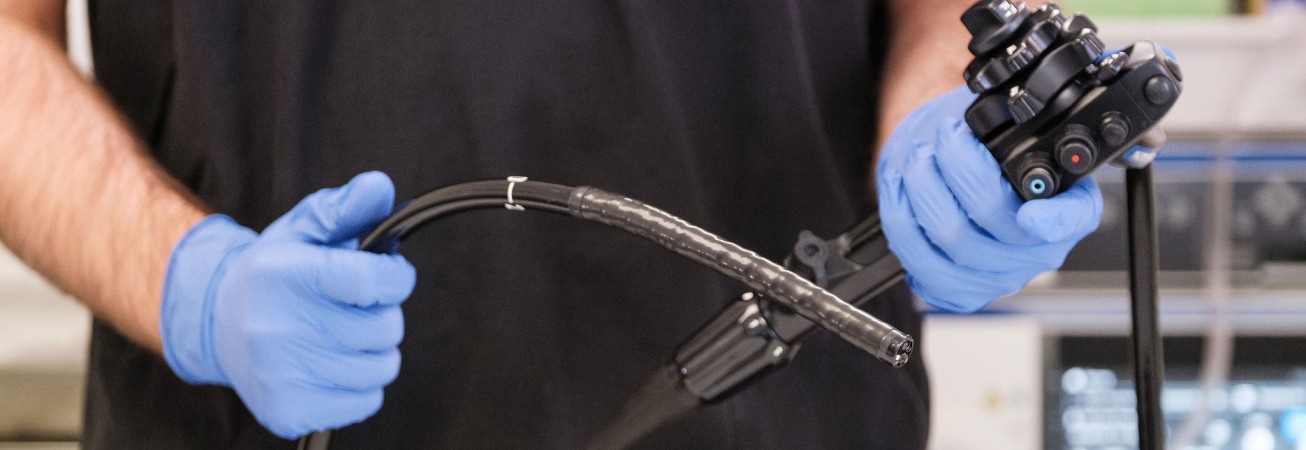
During the procedure, a specialist carefully examines the lining of the large bowel using a thin, flexible camera. Polyps (small growths) are identified and typically removed at the same time. This prevents them from developing into cancer.
When is a colonoscopy recommended?
Common reasons for a colonoscopy include:
Persistent changes in bowel habits
Blood in the stool
Iron deficiency anaemia
Family history of bowel cancer or polyps

A consistent standard of care across the South Island
Here at Intus, colonoscopies are performed by experienced specialists across our South Island locations, including Christchurch, Dunedin, Queenstown, and Wānaka.
patients return home the same day.
Timely access and flexible appointment options
Access to care is an important part of achieving better outcomes. Referrals are reviewed by specialists, and urgent cases are prioritised accordingly.
Where appropriate, patients may be offered earlier appointments at another Intus location or with another specialist. This flexibility is a key point of difference and helps reduce unnecessary delays - particularly for those living outside main centres.

Ongoing care and follow-up
A colonoscopy is often just one step in understanding what is causing your symptoms. At Intus, the focus is on what happens next, ensuring patients receive clear answers, appropriate treatment, and ongoing support where needed.
For patients who require surveillance colonoscopy, Intus offers a structured recall system. This ensures you are reminded when follow-up procedures are due, supporting long-term bowel health and continuity of care.
When to take the next step
If you are experiencing symptoms or have been advised to undergo screening, early investigation can make a meaningful difference. You can speak with your GP or choose to self-refer to Intus. Every referral is reviewed to ensure the most appropriate next step is taken.
Related articles
-
 Education 16 September 2026
How and When to Take a Proton Pump Inhibitor (PPI) for Reflux: Are You Taking It Correctly?
Continue reading -
 Education 09 September 2026
What Does Your Bowel Movement Say About Your Health?
Continue reading -
 Education 31 August 2026
Do I Have Haemorrhoids? Common Symptoms and What Else It Could Be
Continue reading