


01 July 2026
Endoscopy Explained: Colonoscopy, Gastroscopy and What to Expect
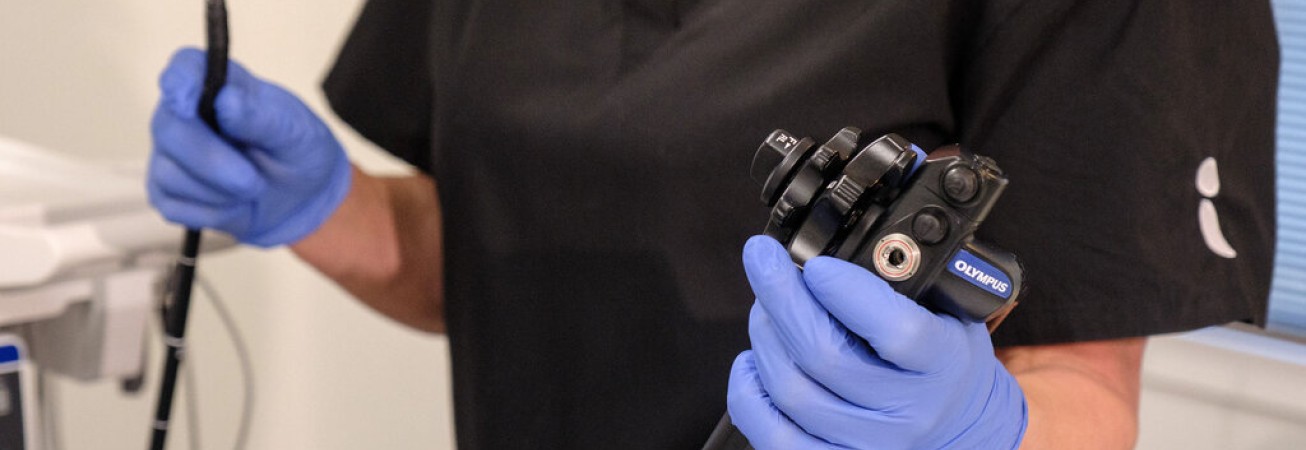
Endoscopy is a general term used to describe procedures that allow specialists to examine the inside of the digestive tract using a thin, flexible camera. The two most common types are colonoscopy (to assess the large bowel) and gastroscopy (to assess the oesophagus, stomach, and upper small intestine).

These procedures are commonly used to investigate symptoms such as:
Ongoing abdominal pain or discomfort
Changes in bowel habit
Rectal bleeding or unexplained anaemia
Persistent reflux, nausea, or difficulty swallowing
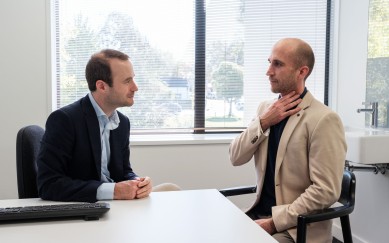
At Intus, every referral, whether from a GP or self-referral, is reviewed by a specialist. This ensures patients are directed to the most appropriate investigation from the outset. If an endoscopy is not the right next step, alternative options such as imaging or functional testing will be recommended.

A key point of difference at Intus is flexibility. If timing is important, patients may be offered an earlier appointment with another experienced endoscopist or at a different Intus location. This approach prioritises timely care without compromising quality.
Procedures are performed by highly experienced specialists in a calm, well-supported environment. Patients are guided through preparation, the procedure itself, and recovery, with clear communication at each stage.
If you are experiencing ongoing digestive symptoms, speaking with your GP or making a self-referral can be an important first step towards clarity and reassurance.
Related articles
-
 Education 16 September 2026
How and When to Take a Proton Pump Inhibitor (PPI) for Reflux: Are You Taking It Correctly?
Continue reading -
 Education 09 September 2026
What Does Your Bowel Movement Say About Your Health?
Continue reading -
 Education 31 August 2026
Do I Have Haemorrhoids? Common Symptoms and What Else It Could Be
Continue reading