


Home / Diseases & Conditions / Aneurysms – Abdominal Aortic and Iliac Arteries
Aneurysms – Abdominal Aortic and Iliac Arteries
An aneurysm is an abnormal enlargement or bulging of an artery caused by weakening of its wall. Aneurysms can develop in different parts of the body, but commonly affect the abdominal aorta and iliac arteries, which carry blood to the abdomen, pelvis and legs.
Most aneurysms develop slowly and cause no symptoms. However, as they enlarge, there is an increasing risk of rupture (bursting), which can cause life-threatening internal bleeding. Early diagnosis and regular ultrasound surveillance allow aneurysms to be monitored safely and treatment planned when necessary.
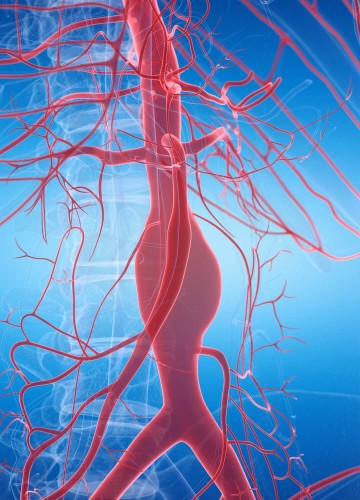
An abdominal aortic aneurysm (AAA) occurs when part of the aorta, the body's main artery, becomes enlarged within the abdomen.
An iliac artery aneurysm affects one of the arteries that branch from the aorta to supply blood to the pelvis and legs. These aneurysms may occur on their own or alongside an abdominal aortic aneurysm.
Aneurysms are more common with increasing age, particularly in men. Risk factors include smoking, high blood pressure, atherosclerosis (hardening of the arteries) and a family history of aneurysms.

Aneurysm Assessment and Surveillance
Small aneurysms can often be safely monitored rather than treated immediately.
At Intus our vascular surgery service provides specialist assessment and duplex ultrasound surveillance of abdominal aortic and iliac artery aneurysms.
Duplex ultrasound is a safe, painless investigation that uses sound waves to examine the arteries and measure the size of an aneurysm. It does not involve radiation or injections.
Regular ultrasound scans allow your specialist to:
Measure the size of the aneurysm accurately
Monitor changes in size over time
Assess blood flow through the affected arteries
Identify when further investigation or treatment may be needed
The frequency of surveillance depends on the aneurysm's size, rate of growth and your individual circumstances. Smaller aneurysms may only require scanning every few years, while larger aneurysms are monitored more frequently.
Aneurysm Treatment
Not all aneurysms require surgery. For smaller aneurysms, regular ultrasound surveillance and management of cardiovascular risk factors are often the safest approach.
This may include stopping smoking, controlling blood pressure and cholesterol, and maintaining a healthy lifestyle.
Larger aneurysms, those growing rapidly or causing symptoms may require surgical repair. Treatment options include:
Endovascular repair – placing a stent graft inside the artery to exclude the aneurysm from blood flow
Open surgical repair – replacing the affected section of artery with an artificial graft
The decision to recommend surgery depends on the size and location of the aneurysm, its risk of rupture, your general health and the risks of treatment.
Your vascular surgeon will discuss your results and arrange further imaging or referral for surgical treatment when appropriate.

At Intus our specialist vascular surgery team provides personalised assessment and ongoing ultrasound surveillance, helping you understand your condition and ensuring that any changes are identified and managed appropriately.