


Home / Diseases & Conditions / Varicose Veins
Varicose Veins
Varicose veins are enlarged, twisted veins that most commonly develop in the legs. They occur when the valves inside the veins become weakened or damaged, allowing blood to flow backwards and collect in the veins.
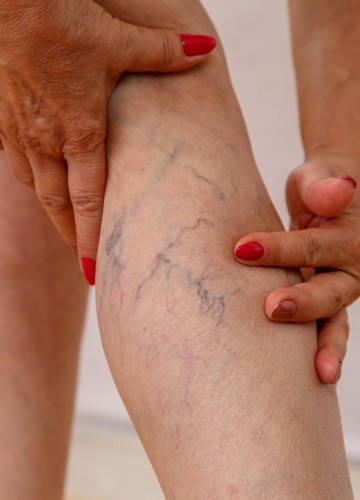
Varicose veins are very common. For some people they are mainly a cosmetic concern, while for others they cause discomfort, swelling and skin changes that can affect everyday activities and quality of life.

Symptoms of Varicose Veins
Varicose veins often appear as prominent, blue or purple veins beneath the skin. However, symptoms can develop even when the veins are not particularly visible.
Common symptoms include:
Aching, throbbing or heavy legs, particularly after standing
Swelling around the ankles or lower legs
Itching, burning or discomfort around the veins
Tired or restless legs
Skin discolouration, dryness or eczema around the ankles
Symptoms are often worse towards the end of the day or in hot weather and may improve with walking, leg elevation or compression stockings.
In more advanced cases, varicose veins can cause inflammation, skin thickening, bleeding or ulcers that are slow to heal.
What causes varicose veins?
Veins contain one-way valves that help blood return towards the heart. When these valves stop working effectively, blood can flow backwards, increasing pressure within the superficial veins and causing them to enlarge.
Several factors increase the likelihood of developing varicose veins, including family history, increasing age, pregnancy, hormonal changes and prolonged standing.

When should I seek specialist advice?
You may benefit from assessment if your veins are painful, swollen or affecting your daily activities, or if you are concerned about their appearance.
It is particularly important to seek medical advice if you develop skin changes, recurrent inflammation or an ulcer around the ankle. Bleeding from a varicose vein requires prompt medical attention. Sudden swelling or pain in one leg should also be assessed urgently, as it may indicate a blood clot.
At Intus our specialist team will assess your symptoms, investigate the underlying cause and discuss the treatment options most appropriate for you.